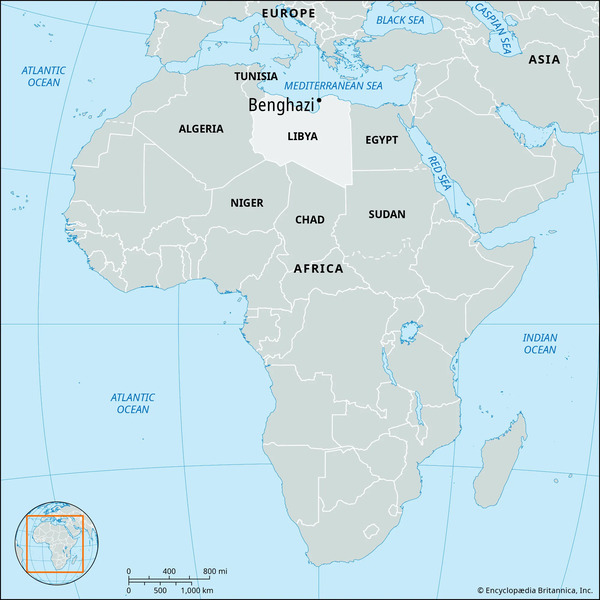
I remember a sunrise. In Benghazi airport, to which, instead of Cairo, we had flown to from Khartoum—because of the Suez crisis.
Outside, waiting for the flight to Rome, I remember common African foliage and scents. Palms? bougainvillea? banana palms? frangipanni? cannas? oleander? the “yesterday, today and tomorrow” tree? (not all native African species, but common—and my Africa). I remember, also, a sense of the sea, and a hint of warmth from the Sahara—which I would never have felt in high-up Nairobi, on the equator.
I grew up on the equator. Entebbe, Kampala, Nairobi. From five to nineteen—which means for almost all my remembered childhood. (Of course we also had holidays on the Mombasa-Malindi coast, where stepping off a veranda into the sunlight was like being plunged into a hot bath, and the sea close to the beach was magically warm. But that was holiday life, not daily life.)
🌴
The temperature, I was told, was 20° Centigrade.
Until then I had grown up with Fahrenheit. I had no idea exactly how warm a temperature of 20° Centigrade was.
🌴
Life is a set of days—and therefore a set of sunrises. Things we take for granted may need to be re-thought. Things we have learned may need to be re-learned, differently.
🌴
Centigrade is such a beautiful clear system.
Water freezes at 0° and boils at 100°, as everyone knows. But the divisions are equally useful to grasp.
Consider the sea which we breathe in and out, and in which we live (our ‘atmosphere’).
Below 15°, it’s too cold. From 15° to 20° it’s cold but bearable. From 20° to 25° it hardly needs noticing. From 25° to 30° it’s warm. From 30° to 35° it’s hot. Over 35°, it’s too hot.
🌴
“He who binds to himself a joy
Does the wingéd life destroy.
But he who kisses the joy as it flies
Lives in eternity’s sunrise.”
(Blake)
🌴
20° Centigrade is the perfect temperature for a sunrise.